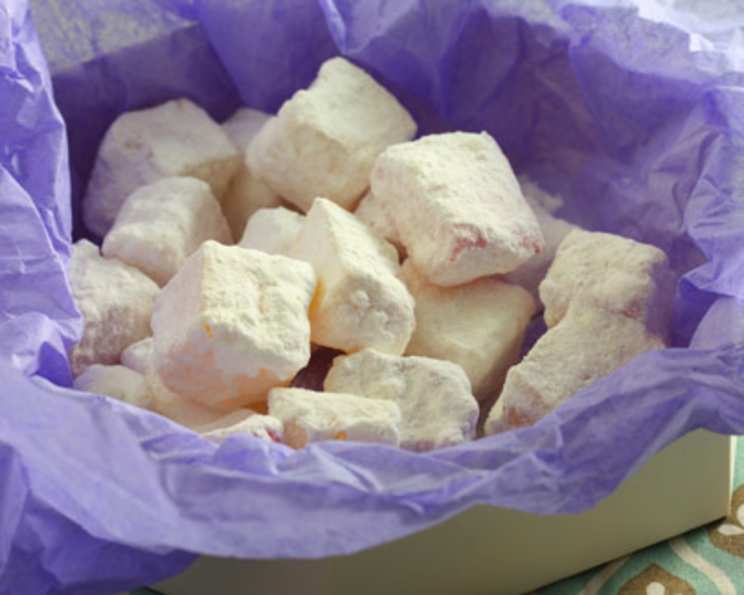
A Taste of Narnia: Crafting Authentic Turkish Delight
For those of you who, like me, have been captivated by C.S. Lewis’s Chronicles of Narnia, the allure of Turkish Delight is undeniable. As a young chef, I always imagined the taste of this confection, the very treat that tempted Edmund Pevensie into betraying his siblings. This recipe, adapted from The Art of Candy Making Fully Explained, Compiled by Mrs. Sherwood P. Snyder (1915), offers a glimpse into a classic version of this enchanting sweet.
Ingredients: The Narnian Necessities
Here’s what you will need:
- 2 cups granulated sugar
- 1 cup cold water
- 1.5 (1/4 ounce) envelopes unflavored gelatin
- 1 orange, juice of
- 1 lemon, juice of
- Red food coloring, to your liking
- ½ cup chopped nutmeats (pistachios or walnuts are ideal)
- Powdered sugar (confectioners)
Directions: A Journey to Sweetness
Follow these steps closely to unlock the secrets of Turkish Delight:
- Bloom the Gelatin: Soak the gelatin in one-half cup of the cold water for ten minutes. This is crucial for proper setting.
- Create the Syrup: Place the sugar and the remaining cold water in a saucepan. Bring the mixture to a boiling point over medium heat, stirring constantly until the sugar is fully dissolved.
- Infuse with Flavor: Add the soaked gelatin, orange juice, and lemon juice to the boiling syrup.
- Achieve Soft Ball Stage: Continue to boil the mixture until it reaches 240°F on a candy thermometer. If you don’t have a thermometer, you can test for the soft ball stage by dropping a small amount of the mixture into a glass of cold water. It should form a soft, pliable ball that you can easily mold with your fingers.
- Add Color and Texture: Once the mixture reaches the soft ball stage, remove it from the heat. Add the chopped nutmeats and red food coloring. Adjust the amount of food coloring until you achieve your desired shade of red.
- Beat to Creamy Perfection: Using a wooden spoon or electric mixer, beat the mixture until it becomes creamy. This incorporates air and creates a lighter, more delicate texture.
- Set the Delight: Lightly grease a bread pan and place it in cold water to a depth of about one inch. This helps to cool the Turkish Delight evenly and prevent it from sticking. Pour the creamy mixture into the prepared pan.
- Patience is Key: Let the Turkish Delight stand at room temperature until it is completely firm. This usually takes several hours, or even overnight.
- Release and Cut: Once firm, turn the Turkish Delight out onto a cutting board. Cut it into cubes using a sharp knife.
- Dust with Sweetness: Generously roll each cube in powdered sugar. This prevents them from sticking together and adds a final touch of sweetness.
Quick Facts: Narnia in a Nutshell
- Ready In: 17 minutes (plus setting time)
- Ingredients: 8
- Yields: 8-10 pieces
- Serves: 8-10
Nutrition Information: A Treat in Moderation
- Calories: 254.9
- Calories from Fat: 39 g
- Calories from Fat % Daily Value: 16%
- Total Fat: 4.4 g / 6%
- Saturated Fat: 0.6 g / 3%
- Cholesterol: 0 mg / 0%
- Sodium: 5.2 mg / 0%
- Total Carbohydrate: 53.7 g / 17%
- Dietary Fiber: 0.8 g / 3%
- Sugars: 51 g / 203%
- Protein: 2.7 g / 5%
Tips & Tricks: Mastering the Craft
- Quality Gelatin: Use a good quality gelatin for the best texture. Avoid expired gelatin.
- Accurate Temperature: A candy thermometer is essential for achieving the correct consistency. Don’t skip this tool!
- Nut Selection: Pistachios and walnuts are traditional choices, but you can experiment with other nuts like almonds or hazelnuts. Toasting the nuts lightly before adding them enhances their flavor.
- Flavor Variations: Experiment with different flavorings, such as rosewater, orange blossom water, or a pinch of cardamom. Add these flavorings after removing the mixture from the heat.
- Cornstarch Coating: For a less sweet coating, use a mixture of powdered sugar and cornstarch.
- Prevent Sticking: Make sure to grease the bread pan thoroughly. You can also line it with parchment paper for easier removal.
- Cutting with Ease: To prevent the Turkish Delight from sticking to the knife while cutting, lightly coat the knife with powdered sugar or dip it in hot water.
- Achieving Clarity: For a clearer Turkish Delight, strain the orange and lemon juice to remove any pulp.
- Storage Secrets: Store your homemade Turkish Delight in an airtight container at room temperature. To prevent sticking, keep it generously coated in powdered sugar. Consume within a week for optimal freshness.
- Color Control: Add the red food coloring gradually to achieve your desired hue. Remember that the color will deepen slightly as the mixture cools.
Frequently Asked Questions (FAQs): Your Turkish Delight Queries Answered
What is Turkish Delight? Turkish Delight, also known as Lokum, is a traditional confectionery made from starch and sugar. It is often flavored with rosewater, lemon, or orange and studded with nuts.
Is Turkish Delight difficult to make? While it requires some precision, making Turkish Delight at home is achievable with the right tools and careful attention to the instructions. The most crucial part is reaching the soft ball stage.
Can I use a different type of sugar? Granulated sugar is recommended for this recipe. Other sugars, like brown sugar, may affect the color and texture of the final product.
Can I make Turkish Delight without nuts? Absolutely! Simply omit the nutmeats from the recipe.
Can I use liquid food coloring instead of gel? Gel food coloring is generally preferred because it is more concentrated and less likely to affect the consistency of the mixture. However, liquid food coloring can be used.
Why is my Turkish Delight too soft? If your Turkish Delight is too soft, it may not have been cooked to the soft ball stage or may not have set long enough. Try boiling the mixture for a few more minutes next time, and ensure it sets completely before cutting.
Why is my Turkish Delight too hard? Overcooking the mixture can result in Turkish Delight that is too hard. Use a candy thermometer to monitor the temperature carefully.
Can I make this recipe vegan? Yes, you can substitute the gelatin with a vegan alternative such as agar-agar or carrageenan. Follow the package instructions for the appropriate substitution ratio.
What other flavors can I add? The possibilities are endless! Experiment with rosewater, orange blossom water, peppermint extract, or different citrus zests.
How long does it take for Turkish Delight to set? It typically takes several hours, or even overnight, for the Turkish Delight to set completely.
How should I store Turkish Delight? Store Turkish Delight in an airtight container at room temperature, generously coated in powdered sugar to prevent sticking.
Can I freeze Turkish Delight? Freezing is not recommended, as it can alter the texture of the confection.
Why is my Turkish Delight sticky? Stickiness can be caused by not enough powdered sugar coating or improper setting. Ensure your Turkish Delight is fully set before cutting and liberally coat in powdered sugar.
Can I use a different size pan? Yes, but keep in mind that a larger pan will result in thinner Turkish Delight, while a smaller pan will result in thicker pieces. Adjust the setting time accordingly.
What makes this Turkish Delight recipe special? This recipe strives for a balance between traditional methods and accessible ingredients. The use of orange and lemon juice provides a bright, citrusy note, while the step-by-step instructions help even novice candy makers achieve delicious results reminiscent of Narnia.
Leave a Reply