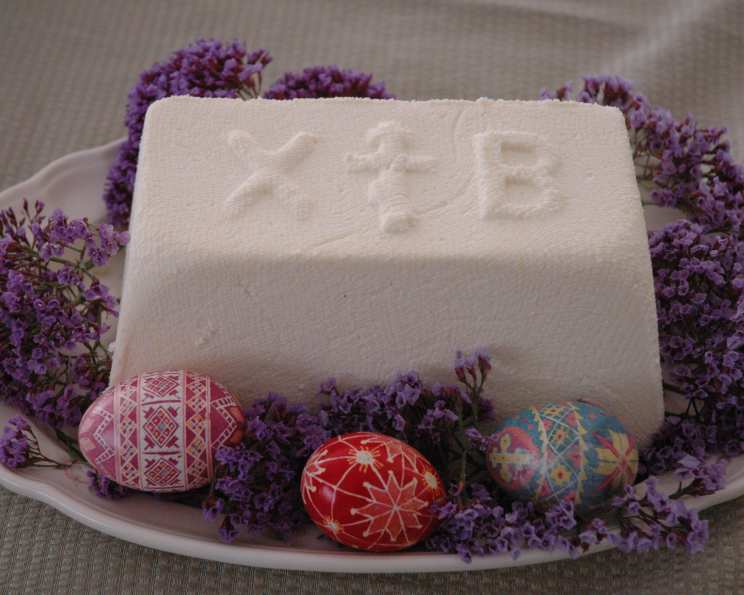
Russian Easter Cheese Paska: A Taste of Tradition
My mother, Stacey Leon, always made Easter a truly special occasion. Her traditional Russian Easter dessert, Paska, served alongside the Easter bread, Kulich, was the highlight of our family celebrations. I will be forever indebted to her for sharing this recipe with me. For years, I struggled to replicate her Paska, until I finally mastered this recipe. This is a slight variation of her version. Don’t worry if you don’t have a fancy cheese mold; a clean, unglazed clay flower pot works perfectly in a pinch.
Ingredients for Stacey Leon’s Russian Easter Paska
This recipe uses simple, high-quality ingredients to create a rich and decadent dessert. The farmer cheese is key to achieving the proper texture and flavor.
- 4 lbs friendship farmer cheese
- 1/2 lb (2 sticks) butter
- 16 ounces sour cream
- 1 1/2 cups sugar
- 6 eggs, beaten
- 2 teaspoons vanilla extract
- Optional: Ground almonds or lemon zest for added flavor
Directions: A Step-by-Step Guide to Paska Perfection
This recipe requires a bit of patience, particularly the draining process, but the end result is well worth the effort. The cooling time is important.
- Preparing the Custard Base: Start by melting the butter in a medium-sized saucepan over low heat. Be careful not to brown the butter.
- Creating the Egg Mixture: Add the sour cream and beaten eggs to the melted butter.
- Gentle Cooking: Stir constantly over low heat. This is crucial to prevent the eggs from scrambling too much. You want the mixture to thicken and resemble loosely scrambled eggs. This process may take about 15-20 minutes.
- Cooling the Mixture: Remove the saucepan from the heat and allow the egg mixture to cool completely. This is important before combining it with the cheese, as the heat could melt the cheese and affect the texture.
- Combining the Ingredients: In a large mixing bowl, combine the cooled egg mixture with the sugar, vanilla extract, and farmer’s cheese.
- Mixing: Use an electric mixer on low speed to beat the ingredients together until well combined and smooth. Be careful not to overmix, as this can make the Paska dense.
- Preparing the Mold: Drape a cheesecloth (or several layers of cheesecloth) over a large cheese mold or a clean, unglazed clay flower pot with a hole in the bottom. Make sure the cheesecloth extends generously over the edges of the mold.
- Filling the Mold: Carefully pour the cheese mixture into the cheesecloth-lined mold.
- Draining the Excess Water: Fold the excess cheesecloth over the top of the cheese mixture. Place a plate or wooden round on top of the cheesecloth and then add weights (such as cans of food or heavy books) to press down on the mixture. This will help squeeze out the excess water from the cheese.
- Refrigerating: Refrigerate the Paska for at least 24 hours, or even longer (up to 48 hours) for a firmer consistency. The longer it sits, the more whey will be drained, resulting in a richer flavor and denser texture.
- Unmolding: After the refrigeration period, carefully remove the weights and plate. Gently unfold the cheesecloth from the top of the Paska. Place a serving plate on top of the mold and invert it, allowing the Paska to fall onto the plate. Gently peel away the cheesecloth.
- Decoration (Optional): You can decorate the Paska with candied fruits, nuts, or even a powdered sugar glaze.
Quick Facts
- Ready In: 20 minutes preparation + 24-48 hours refrigeration
- Ingredients: 7 (excluding optional additions)
- Serves: 10-12
Nutrition Information (per serving)
- Calories: 581.4
- Calories from Fat: 289 g (50% Daily Value)
- Total Fat: 32.2 g (49% Daily Value)
- Saturated Fat: 19.3 g (96% Daily Value)
- Cholesterol: 209.4 mg (69% Daily Value)
- Sodium: 221.7 mg (9% Daily Value)
- Total Carbohydrate: 35.7 g (11% Daily Value)
- Dietary Fiber: 0 g (0% Daily Value)
- Sugars: 33.8 g
- Protein: 36.7 g (73% Daily Value)
Tips & Tricks for Paska Perfection
- Choosing the Right Farmer Cheese: Use dry farmer cheese, also known as friendship cheese. This type of cheese has a lower moisture content, which is ideal for Paska. Avoid using cream cheese, as it will result in a very different texture.
- Don’t Overheat the Egg Mixture: It’s crucial to cook the egg mixture over low heat and stir constantly to prevent scrambling. Overcooked eggs will result in a grainy texture.
- Proper Draining is Key: The draining process is essential for removing excess moisture and achieving the desired consistency. Make sure to use enough weight to press down on the cheesecloth and allow ample time for draining (at least 24 hours, preferably 48).
- Flavor Variations: Feel free to add other flavorings to the Paska, such as raisins, dried cranberries, candied orange peel, or spices like cardamom or nutmeg.
- Mold Alternatives: If you don’t have a cheese mold or a clay flower pot, you can use a colander lined with cheesecloth. Just make sure it’s stable enough to support the weight.
- Presentation: For a beautiful presentation, you can decorate the Paska with traditional Easter symbols made from candied fruits or nuts. A simple powdered sugar glaze also adds a touch of elegance.
- Serving Suggestions: Serve the Paska chilled alongside Kulich (Russian Easter bread) and other Easter treats. It’s also delicious with fresh fruit and berries.
Frequently Asked Questions (FAQs) about Russian Easter Paska
- What is Paska? Paska is a traditional Russian Easter dessert made from farmer cheese, butter, sour cream, eggs, sugar, and vanilla.
- What does Paska taste like? Paska has a rich, creamy, and slightly sweet flavor with a subtle tanginess from the farmer cheese.
- What is farmer cheese? Farmer cheese is a type of fresh, unripened cheese with a slightly tangy flavor and a crumbly texture.
- Can I use cottage cheese instead of farmer cheese? Cottage cheese has a higher moisture content than farmer cheese, so it is not recommended as a substitute. The texture and flavor will be significantly different.
- Can I use low-fat sour cream? While you can use low-fat sour cream, it will affect the richness and flavor of the Paska. Full-fat sour cream is recommended for the best results.
- How long does Paska last in the refrigerator? Paska will keep in the refrigerator for up to 5 days.
- Can I freeze Paska? Freezing Paska is not recommended, as it can alter the texture and make it watery.
- Why is it important to drain the Paska? Draining the Paska removes excess moisture, resulting in a firmer, richer texture and preventing it from becoming soggy.
- What if I don’t have a cheesecloth? You can use several layers of paper towels or a clean linen cloth as a substitute for cheesecloth.
- Can I add other ingredients to the Paska? Yes, you can customize the Paska with other ingredients such as raisins, dried cranberries, candied fruits, nuts, or spices.
- What is the significance of Paska? Paska is a symbol of the resurrection of Christ and is traditionally eaten during Easter celebrations in Russia and other Eastern European countries.
- Why do you use a clay flower pot? A clean, unglazed clay flower pot with a hole in the bottom provides a similar shape and drainage as a traditional cheese mold.
- How do I clean the clay flower pot before using it? Thoroughly wash the clay flower pot with hot, soapy water and rinse it well. Allow it to dry completely before lining it with cheesecloth.
- Is it important to use fresh eggs? Yes, using fresh eggs will contribute to the best flavor and texture of the Paska.
- My Paska is not firm enough after 24 hours. What should I do? Continue to refrigerate and drain the Paska for an additional 24 hours. You can also add more weight to help squeeze out more moisture.
Leave a Reply