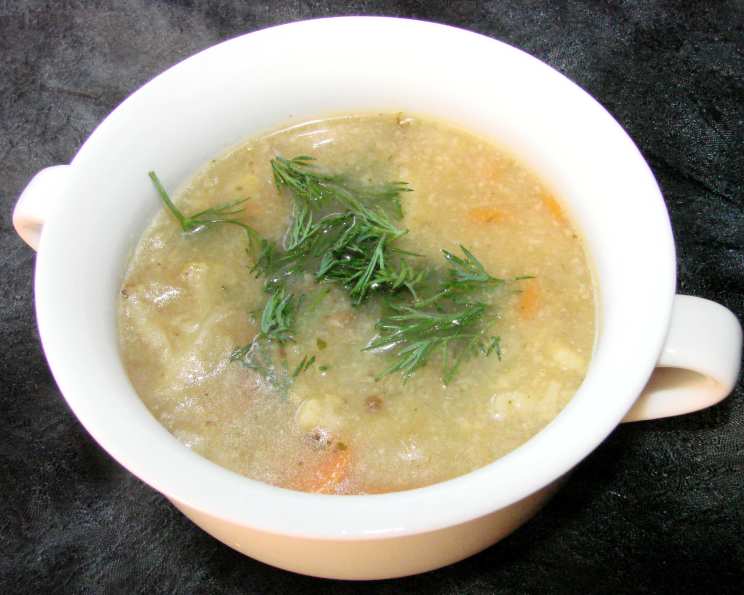
Roasted Cauliflower & Dill Soup: A Chef’s Guide to Comfort
This Roasted Cauliflower & Dill Soup isn’t just another recipe; it’s a culinary hug. I’ve refined this classic over years of practice, and I’m excited to share my secrets to making it truly exceptional.
Ingredients: The Foundation of Flavor
The quality of your ingredients directly impacts the final product. Here’s what you’ll need to create this symphony of flavors:
- 6 cups cauliflower florets: Choose firm, white cauliflower heads with tightly packed florets. Avoid any with brown spots or blemishes.
- 3 carrots, peeled and cut into bite-sized chunks: Opt for carrots that are firm and vibrant orange in color. Baby carrots can be used for convenience, but whole carrots tend to have a richer flavor.
- Olive oil: Extra virgin olive oil provides the best flavor, but a good quality olive oil will work just as well.
- Fresh ground black pepper: Freshly ground pepper adds a noticeable kick and complexity compared to pre-ground varieties.
- 1 medium yellow onion, chopped: Yellow onions provide a balanced sweetness and savory depth. Look for firm onions with dry, papery skins.
- 3 garlic cloves, chopped: Fresh garlic is essential. Avoid garlic that has begun to sprout or has soft spots.
- 3 cups chicken broth (or 3 cups vegetable broth): Use a high-quality broth; homemade is best! Store-bought low-sodium broth gives you more control over the final salt level. For a vegan version, use a flavorful vegetable broth.
- 2 cups water: Filtered water is recommended for the purest taste.
- 1⁄3 cup fresh dill, chopped: Fresh dill is crucial for its bright, herbaceous flavor. Dried dill simply won’t deliver the same aromatic punch.
- Salt: Sea salt or kosher salt are preferred over table salt for their cleaner taste.
Directions: Crafting the Soup
This recipe involves roasting for enhanced flavor and building the soup in layers.
Step 1: Roasting the Vegetables
- Preheat oven to 400ºF (200ºC). Ensuring a hot oven is critical for even roasting and caramelization.
- Prepare the cauliflower and carrots: Using a knife or your hands, break the cauliflower head into bite-sized florets and place them in a large bowl. Peel and slice the carrots and add them to the bowl. Evenly sized pieces ensure even cooking.
- Drizzle with olive oil and season: Drizzle the vegetables with olive oil and toss to coat. Spread them in a single layer in a large roasting pan (or onto a large baking sheet with a rim) and season generously with freshly ground black pepper.
- Roast until tender and golden brown: Roast the vegetables in the middle of the oven, stirring occasionally, for about 25 to 35 minutes. Watch them carefully to prevent burning. The caramelization that occurs during roasting is key to developing the soup’s complex flavor. They’re done when tender and lightly browned.
- Set aside: Remove from oven and transfer back to the bowl you used earlier. The soup can be made a day ahead up to this point. Cool vegetables slightly, then cover and refrigerate.
Step 2: Building the Soup Base
- Prepare the onion and garlic: If you’re making the soup right away, peel and chop the onion and garlic while the cauliflower and carrots roast.
- Sauté the aromatics: Heat a large, heavy pot or Dutch oven over a medium flame. Add a tablespoon of olive oil and sauté the onion until softened and translucent, 3 to 5 minutes.
- Add garlic: Add the garlic and cook, stirring, until fragrant, about 45 seconds. Be careful not to burn the garlic, as this will make the soup bitter.
Step 3: Simmering and Blending
- Combine ingredients: Add the roasted cauliflower and carrot mixture to the pot, along with the broth and water.
- Simmer: Bring to a boil, then reduce heat to low and let the soup simmer for about 20 minutes. This allows the flavors to meld together.
- Purée for Creaminess: Toward the end of this time, carefully ladle out about 3 cups of the cauliflower and broth (avoid the carrots) and purée it in a food processor or blender until smooth. If using a regular blender, work in batches.
- Return the Purée: Return the purée to the soup pot and stir to blend. This step creates the soup’s creamy texture without using cream.
Step 4: Final Touches
- Finish and Season: Remove from heat, stir in the fresh dill, and adjust the seasoning with salt to taste. Be sure to taste and adjust seasoning until it reaches perfection.
- Serve: Serve the soup hot, garnished with extra fresh dill, a swirl of olive oil, or a dollop of plain yogurt if desired.
Quick Facts
- Ready In: 50 minutes
- Ingredients: 10
- Serves: 4
Nutrition Information (per serving)
- Calories: 100.3
- Calories from Fat: 11 g (12%)
- Total Fat: 1.3 g (2%)
- Saturated Fat: 0.4 g (1%)
- Cholesterol: 0 mg (0%)
- Sodium: 653 mg (27%)
- Total Carbohydrate: 16.6 g (5%)
- Dietary Fiber: 5.5 g (21%)
- Sugars: 7.4 g (29%)
- Protein: 7.5 g (14%)
Tips & Tricks
- Roast for deeper flavor: Roasting the vegetables brings out their natural sweetness and adds a smoky dimension to the soup. Don’t skimp on the roasting time!
- Don’t overcrowd the roasting pan: Overcrowding will steam the vegetables rather than roast them. Use two pans if necessary.
- Use high-quality broth: The broth is the backbone of the soup. Homemade or a good quality store-bought broth will make a big difference.
- Adjust the consistency: If you prefer a thinner soup, add more broth or water. For a thicker soup, purée more of the vegetables.
- Don’t over-purée: Avoid over-puréeing the soup, as it can become gluey. Leave some texture for a more satisfying experience.
- Add a touch of acidity: A squeeze of lemon juice or a splash of white wine vinegar can brighten the flavors of the soup. Add this right before serving.
- Garnish creatively: Fresh herbs, a swirl of cream, a drizzle of olive oil, or a sprinkle of toasted nuts can elevate the presentation of the soup.
- Make it ahead: This soup can be made ahead of time and reheated. The flavors actually improve as they meld together.
Frequently Asked Questions (FAQs)
- Can I use frozen cauliflower? While fresh cauliflower is preferred for its flavor and texture, frozen cauliflower can be used in a pinch. Roast it directly from frozen, adding a few minutes to the roasting time.
- Can I use dried dill instead of fresh? Fresh dill is highly recommended for the best flavor. If you must use dried dill, use about 1 teaspoon and add it during the simmering stage.
- Can I make this soup vegan? Yes! Simply substitute vegetable broth for chicken broth.
- How long will this soup last in the refrigerator? Properly stored in an airtight container, this soup will last for 3-4 days in the refrigerator.
- Can I freeze this soup? Yes, this soup freezes well. Let it cool completely before transferring it to freezer-safe containers. Leave some headspace as the soup will expand when frozen. It can be frozen for up to 2-3 months.
- How do I reheat this soup? Reheat the soup gently over medium heat on the stovetop, stirring occasionally, or in the microwave.
- Can I add other vegetables to this soup? Absolutely! Roasted parsnips, sweet potatoes, or leeks would be delicious additions.
- Can I make this soup without roasting the vegetables? While roasting is highly recommended for the best flavor, you can skip this step and simply sauté the vegetables in a pot with olive oil before adding the broth.
- What kind of blender should I use? An immersion blender, regular blender, or food processor can be used to purée the soup.
- Can I add cream to this soup? Yes! For a richer soup, stir in a splash of heavy cream, half-and-half, or crème fraîche before serving.
- What can I serve with this soup? This soup is delicious served with crusty bread, a grilled cheese sandwich, or a simple green salad.
- How can I make this soup spicier? Add a pinch of red pepper flakes or a dash of hot sauce to the soup for a little kick.
- I don’t have a Dutch oven. What else can I use? A large, heavy-bottomed pot will work just fine.
- The soup is too thick. How do I thin it out? Add more broth or water, a little at a time, until you reach your desired consistency.
- The soup is bland. What can I do? Add more salt, pepper, or a squeeze of lemon juice. You can also try adding a pinch of sugar to balance the flavors.
Leave a Reply