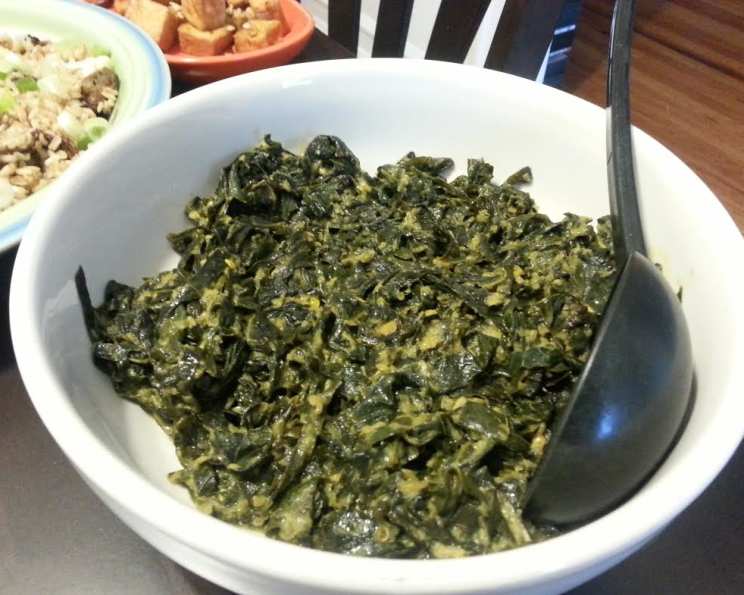
Gulai Sayur: An Indonesian Culinary Gem from a Humble Stall
This Gulai Sayur recipe isn’t from a fancy cookbook or a Michelin-starred restaurant. It’s a cherished memory, recreated from a bustling Indonesian market restaurant stall where the aroma of spices hung heavy in the air and the rhythmic clatter of cooking was the soundtrack to my culinary awakening. I spent hours watching a woman, her hands moving with practiced grace, transforming simple ingredients into a dish that resonated with warmth and depth. This recipe is my attempt to capture that magic, bringing the authentic taste of Indonesian home cooking to your kitchen.
Discovering Gulai Sayur: A Flavorful Journey
What is Gulai Sayur?
Gulai Sayur (vegetable gulai) is a rich and flavorful Indonesian curry known for its creamy texture and complex spice profile. Unlike some Indian curries, it often relies on coconut milk for its richness and boasts a distinct blend of aromatic spices like turmeric, ginger, and lemongrass. While many gulai variations feature meat or seafood, Gulai Sayur offers a delightful vegetarian or vegan alternative, showcasing the versatility of Indonesian cuisine. This recipe focuses on collard greens, a hearty vegetable that absorbs the flavors beautifully, resulting in a truly satisfying dish.
Gathering the Essentials: Ingredients for Authentic Gulai Sayur
To recreate the authentic flavors of this dish, you’ll need the following ingredients:
- 1 1⁄2 teaspoons ground turmeric
- 7 shallots, roughly chopped
- 4 garlic cloves, roughly chopped
- 2 Thai chiles, minced (adjust to your spice preference)
- 1 piece ginger, peeled and thinly sliced (approximately 3 inches)
- 2 stalks fresh lemongrass
- 3 tablespoons peanut oil (vegetable oil is a suitable substitute)
- 2 teaspoons sugar
- 1 teaspoon salt, plus more to taste
- 1 (14 ounce) can unsweetened coconut milk
- 2 lbs collard greens, stemmed and cut crosswise into 1/2 inch wide strips
- Fresh ground black pepper, to taste
Crafting the Magic: Step-by-Step Instructions
Follow these simple steps to create your own delicious Gulai Sayur:
- Prepare the Spice Paste: Combine the turmeric, shallots, garlic, chiles, and ginger in a small food processor. Puree, adding up to 4 tablespoons of water, to form a smooth paste. This paste is the foundation of the curry’s flavor.
- Prepare the Lemongrass: Trim the tip and root ends of the lemongrass stalks and remove the tough outer layer. Using a meat mallet or the back of a knife, smash the lemongrass to flatten it slightly. Tie the stalks into a knot – this helps release the fragrant oils without letting small pieces end up in the finished dish.
- Sauté the Aromatics: Heat the peanut oil in a 6-quart pot over medium-low heat. Add the reserved spice paste and lemongrass. Cook, stirring often, until the mixture is very fragrant and the raw smell of the spices has dissipated. This typically takes 10–12 minutes. Be patient and avoid burning the paste, as this will impart a bitter taste.
- Build the Curry Base: Add the sugar, salt, and coconut milk to the pot. Bring the mixture to a simmer over medium heat.
- Incorporate the Collard Greens: Add the collard greens to the simmering curry base. Cook, stirring occasionally, until the greens are just tender. This usually takes around 40 minutes, but the exact time may vary depending on the age and toughness of the collard greens.
- Final Touches: Remove the lemongrass from the pot. Season the Gulai Sayur with additional salt and pepper to taste.
- Serve and Enjoy: Serve the Gulai Sayur warm, accompanied by steamed rice for a complete and satisfying meal.
Quick Facts: Gulai Sayur at a Glance
- Ready In: 1 hour 15 minutes
- Ingredients: 12
- Serves: 4-6
Nutrition Information: Fueling Your Body
- Calories: 393.7
- Calories from Fat: 291 g (74%)
- Total Fat: 32.3 g (49%)
- Saturated Fat: 20.6 g (103%)
- Cholesterol: 0 mg (0%)
- Sodium: 637.7 mg (26%)
- Total Carbohydrate: 25.4 g (8%)
- Dietary Fiber: 6.9 g (27%)
- Sugars: 4.2 g (17%)
- Protein: 8.3 g (16%)
Tips & Tricks: Mastering the Art of Gulai Sayur
- Spice Level Adjustment: Adjust the number of Thai chiles according to your spice preference. For a milder flavor, remove the seeds from the chiles before mincing.
- Coconut Milk Quality: Use full-fat unsweetened coconut milk for the richest flavor and creamiest texture. Avoid using “lite” coconut milk, as it may not provide the desired richness.
- Collard Green Preparation: Ensure the collard greens are thoroughly washed to remove any grit or sand. Remove the tough stems before chopping the leaves.
- Spice Paste Perfection: If you don’t have a food processor, you can use a mortar and pestle to grind the spices into a paste. Alternatively, finely mince the ingredients and combine them well.
- Vegetarian/Vegan Adaptation: This recipe is naturally vegetarian. To ensure it is vegan, double-check that your peanut oil is purely plant-based.
- Adding Other Vegetables: Feel free to experiment with other vegetables in your Gulai Sayur. Spinach, kale, green beans, or eggplant would all be delicious additions.
- Serving Suggestions: Serve Gulai Sayur with steamed rice, roti, or even as a side dish to grilled meats or seafood. A sprinkle of toasted coconut flakes or chopped peanuts adds a delightful textural contrast.
Frequently Asked Questions (FAQs): Your Gulai Sayur Queries Answered
- Can I use frozen collard greens? Yes, you can use frozen collard greens. Thaw them completely and squeeze out any excess water before adding them to the curry.
- Can I make this recipe ahead of time? Absolutely! Gulai Sayur tastes even better the next day as the flavors meld together. Store it in an airtight container in the refrigerator for up to 3 days.
- How do I reheat Gulai Sayur? Reheat gently over low heat on the stovetop or in the microwave. Add a splash of water or coconut milk if it seems too thick.
- Can I freeze Gulai Sayur? Yes, you can freeze Gulai Sayur for up to 2 months. Thaw it overnight in the refrigerator before reheating.
- What if I don’t have lemongrass? While lemongrass is essential for the authentic flavor, you can substitute it with 1 teaspoon of lemon zest and a small piece of ginger.
- Can I use other types of chiles? Yes, feel free to use other types of chiles, such as jalapenos or serranos, depending on your spice preference.
- What if my curry is too thin? Simmer the Gulai Sayur for a longer period, uncovered, to allow some of the liquid to evaporate and thicken the sauce.
- What if my curry is too thick? Add a little more coconut milk or water to thin the curry to your desired consistency.
- Can I add tofu or tempeh to this dish? Yes, adding tofu or tempeh would make a delicious and protein-rich addition to the Gulai Sayur. Pan-fry or bake the tofu/tempeh before adding it to the curry.
- What kind of rice goes well with Gulai Sayur? Jasmine rice or basmati rice are both excellent choices for serving with Gulai Sayur.
- Is this dish gluten-free? Yes, this recipe is naturally gluten-free.
- Can I use a different type of oil instead of peanut oil? Yes, vegetable oil, canola oil, or coconut oil are all suitable substitutes for peanut oil.
- How can I make this recipe spicier? Add more Thai chiles or a pinch of cayenne pepper to increase the spice level.
- What are some other Indonesian dishes that are similar to Gulai Sayur? Rendang (dry beef curry) and Opor Ayam (chicken in coconut milk) are other popular Indonesian curries.
- What makes this Gulai Sayur recipe special? This recipe strives to recreate the authentic flavors and techniques I learned from a traditional Indonesian market stall, offering a taste of genuine home cooking. It’s a simple yet flavorful dish that showcases the beauty of Indonesian cuisine.
Leave a Reply