
If there’s one family recipe that you need to try, it’s this Homemade Hot Pepper Sauce. Growing up, there was always a small jar tucked into the refrigerator, ready to be spooned over grilled meats, roasted vegetables, sandwiches, eggs, and almost every meal we sat down to enjoy. My grandfather was known for making the best hot pepper sauce. Hundreds of thousands of you guys have it and this has touched our hearts so much!
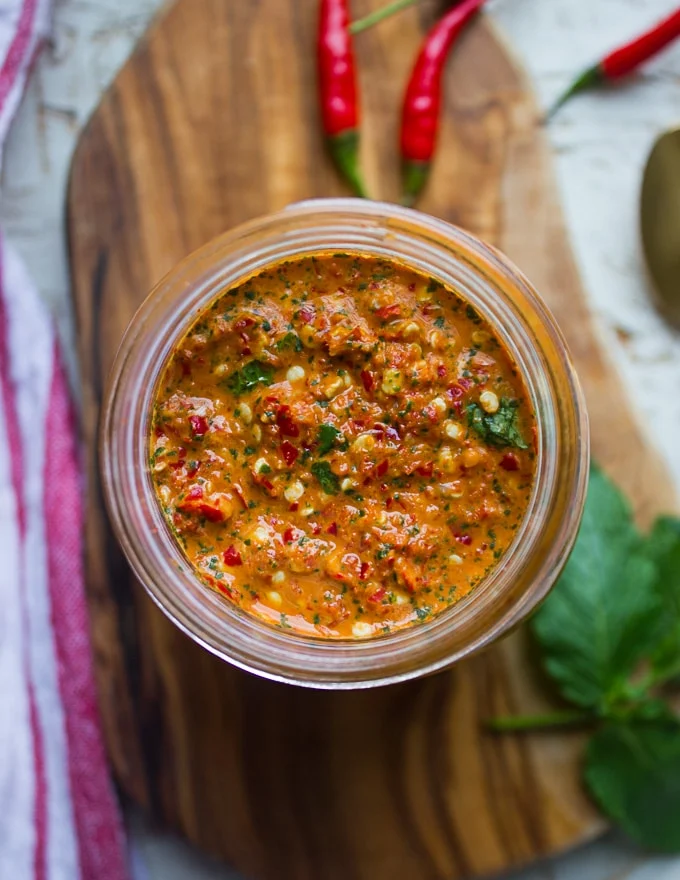
I know there are plenty of hot sauces at your grocery stores, and I’ve tried a bunch of them. However, they often times have an off taste of something. It could be vinegar, garlic, a certain spice, a type of oil or something.
This Mediterranean version celebrates the natural flavor of fresh peppers. Garlic, herbs, olive oil, lemon juice, and vinegar work together to create a sauce that’s bright, bold, and perfectly balanced. It’s spicy without overpowering your food, allowing every ingredient to shine.
And for that I always have a jar of this sauce. It’s my go to hot sauce recipe. Chunky, flavorful and ready in minutes!
What is Hot Pepper Sauce
Hot pepper sauce is what everyone thinks of as hot sauce, and it’s one of the most powerful flavor tools in global cuisine. Built on a simple base of chili peppers, acid, and salt, it delivers not just heat, but balance, preservation, and complexity.
But truly great hot sauce isn’t random, it’s engineered. The difference between a flat, overly acidic sauce and one that’s vibrant, layered, and addictive comes down to pepper selection, acid balance and other flavorings.
A hot pepper sauce can usually come in three primary forms:
- Fresh hot sauce: bright, quick, immediate flavor
- Cooked hot sauce: smoother, deeper, slightly mellowed
- Fermented hot sauce: complex, tangy, layered
The rule of thumb when making homemade hot sauce is always that, the type of flavor you get is based on the type of pepper you use.
And this rule specifically applies here because it’s a no cook sauce. Often times when we cook hot sauces, the pepper flavor is cooked down with spices or vinegar. But today we’re maximizing on the flavor of the pepper.
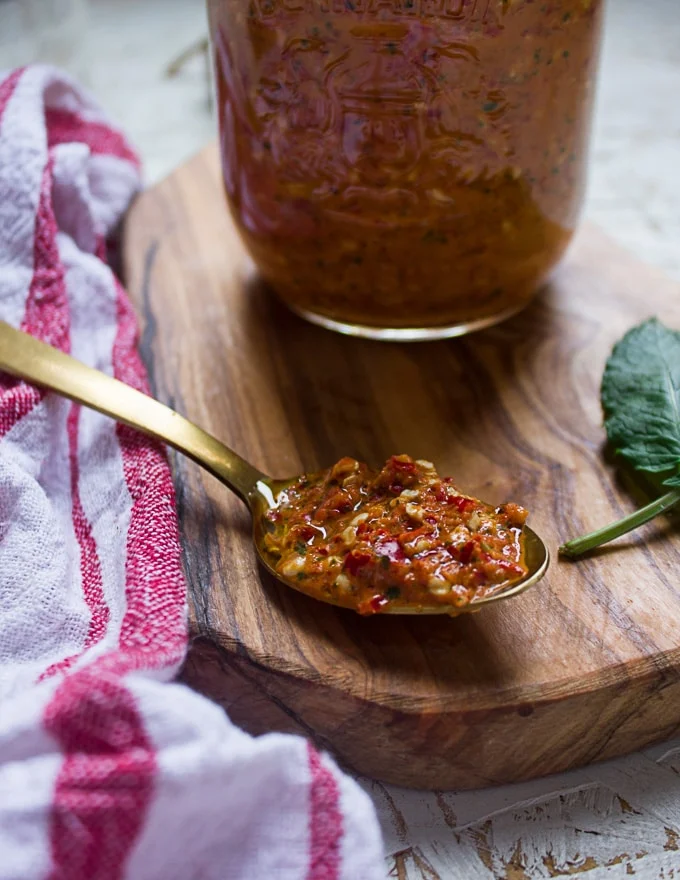
Since this is a no cook sauce also, keep in mind this is a chunky sauce. You could always opt for processing it more and straining the sauce, but honestly please don’t.
What Makes This Hot Pepper Sauce Different?
Hot sauces vary dramatically around the world. Some are fermented for weeks to develop tangy complexity, while others are simmered until thick and smooth. This recipe is different, it’s common throughout many Mediterranean homes where fresh herbs, garlic, olive oil, and seasonal peppers are blended into an intensely flavorful condiment.
Instead of relying on fermentation, the peppers remain bright and fresh. The vinegar and lemon juice add just enough acidity to balance the heat without overwhelming the natural pepper flavor. Fresh herbs contribute an aromatic finish that makes this sauce especially delicious with grilled foods, seafood, and roasted vegetables.
Another unique feature is the olive oil. It softens the sharpness of the peppers, creates a silky texture, and helps the flavors come together beautifully. The result is a sauce that’s spicy, herbaceous, garlicky, and incredibly versatile.
Why You’ll LOVE This Hot Sauce Recipe
If you haven’t attempted to make a homemade hot sauce before, you’re quite missing out! This hot sauce recipe is the perfect one to start with. And here’s why.
- It tastes like pure hot peppers with a hint of garlic.
- No harsh vinegar, spice, oil taste that overpowers the peppers.
- Ready in minutes without cooking or waiting for it to cool.
- Chunky texture that adds to the taste.
- It’s my grandpa’s homemade recipe that has been around for years!
- It’s influenced by the flavors of the Mediterranean.
- Made entirely with fresh ingredients, so it’s free from preservatives, artificial colors, and unnecessary additives.
- Keeps well in the refrigerator for weeks.
- It goes with EVERYTHING!
Ingredients You’ll Need
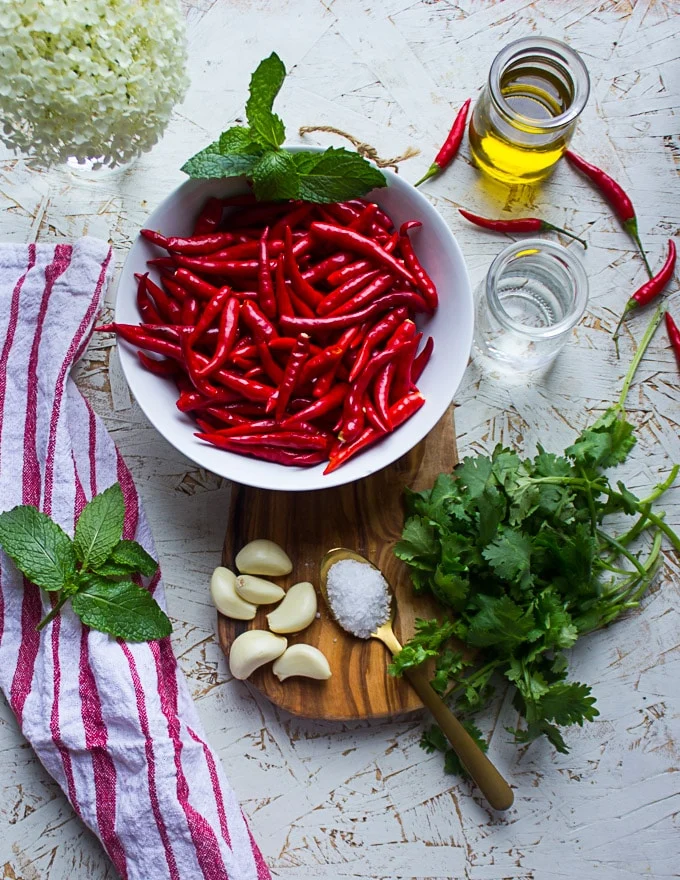
Peppers (by heat level):
- Milder peppers include jalapeno, Fresno
- Medium heat peppers are serrano peppers, cayenne, tabasco peppers
- Hot peppers are habanero, Scotch bonnet
- Extreme heat includes ghost pepper, Carolina Reaper
Choosing the Best Peppers
One of the best things about homemade hot pepper sauce is that you can completely control the heat level.
| Pepper | Heat Level | Flavor |
|---|---|---|
| Jalapeño | Mild | Fresh and grassy |
| Fresno | Mild Medium | Slightly sweet and fruity |
| Serrano | Medium | Bright and crisp |
| Cayenne | Medium-Hot | Earthy and peppery |
| Thai Chili | Hot | Sharp, clean heat |
| Habanero | Very Hot | Fruity with citrus notes |
If you’re making this recipe for the first time, jalapeños, Fresnos, or serranos are excellent choices because they provide plenty of heat without overpowering the other ingredients.
For those who enjoy very spicy food, habaneros create an incredibly flavorful sauce thanks to their natural fruity sweetness. Just remember that a little goes a long way.
You can also mix different peppers together for a more balanced flavor. Combining jalapeños with one or two habaneros, for example, creates a sauce that’s spicy, flavorful, and layered instead of simply hot.
Pro Tip: Wear disposable gloves when working with especially hot peppers like habaneros or Thai chilies, and avoid touching your face or eyes until you’ve thoroughly washed your hands.
Vinegar (type of Vinegar below)
- White vinegar is sharp and clean
- Apple cider vinegar is rounded and fruity
Seasoning: kosher salt, and you can add cumin
Garlic: fresh garlic cloves for best aroma, onion can also be used.
Herbs and Olive Oil
Olive oil is used to emulsify and create the sauce consistency, while herbs add so much flavor. We prefer using cilantro and a touch of mint.
Sweet Peppers (optional).
Adding some sweet peppers is used to balance out the heat, other options could be carrot.
How To Make Homemade Pepper Sauce
Super simple. Start by gathering a bunch of hot peppers and remaining ingredients. Place them in the bowl of your food processor or blender.
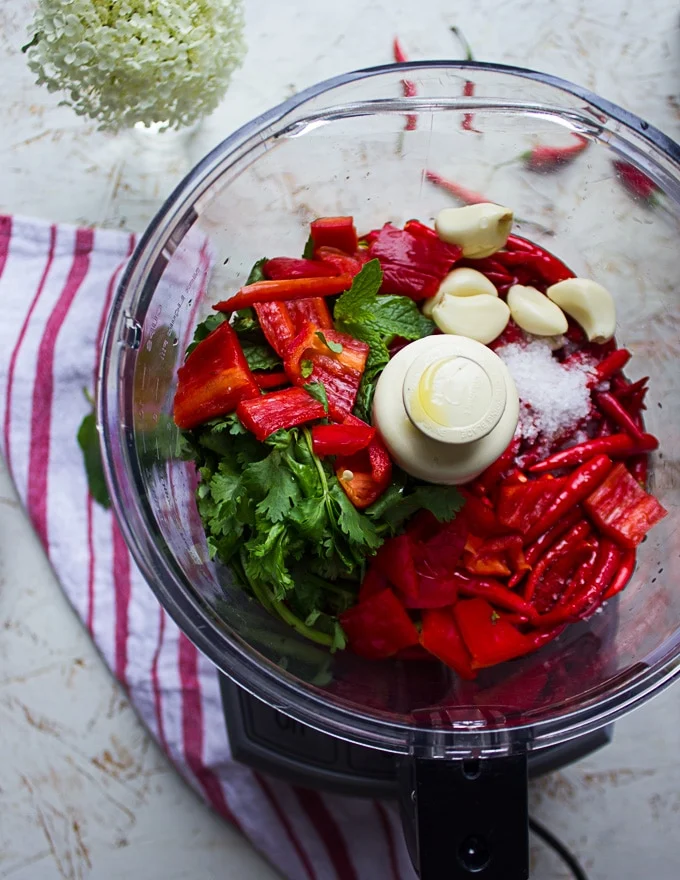
Puree or blend the mixture until it’s chunky.
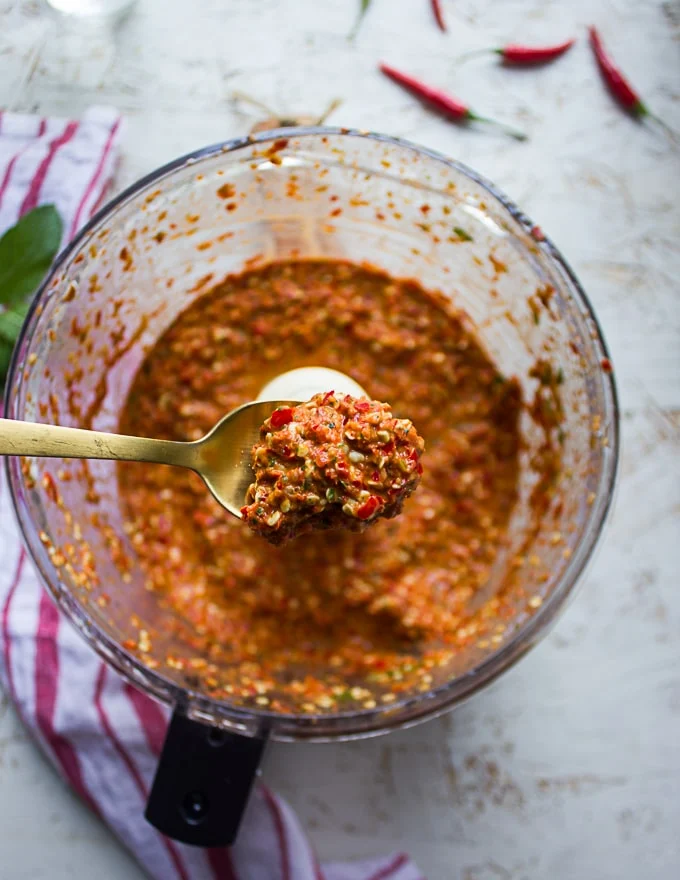
This is the perfect chunky texture you need to look for!
At that point you’ll pour the sauce into a mason glass jar and pour olive oil on the surface just to cover it. That should be probably around 1 1/2 tablespoons.
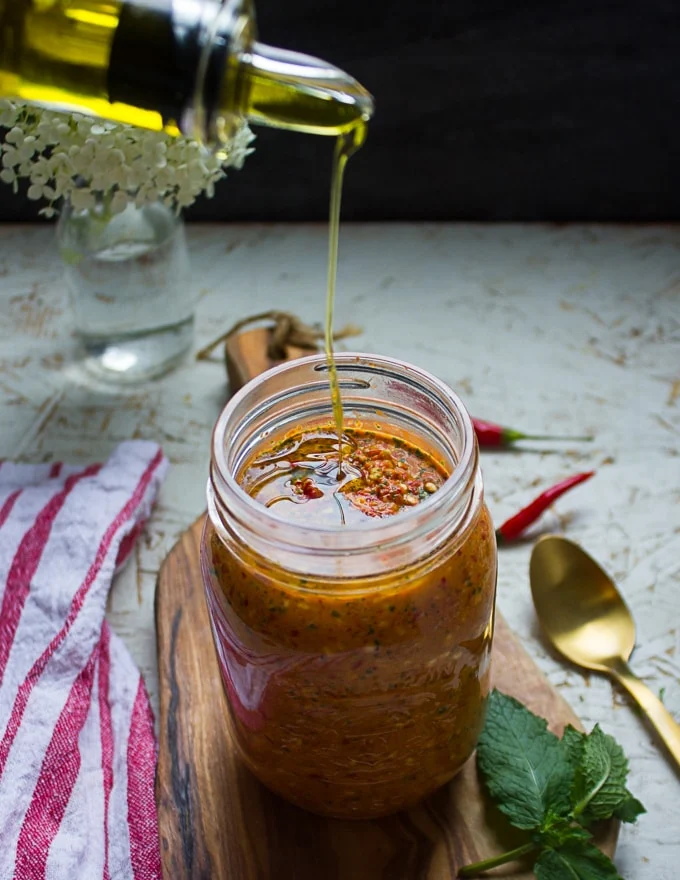
And you’re done!
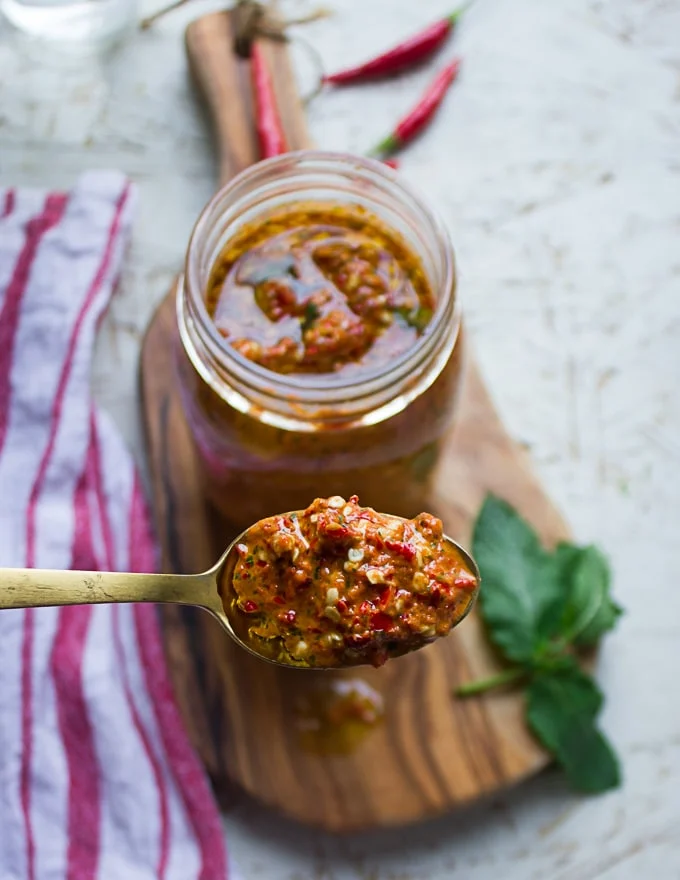
Heat Scale System
- Mild (0–2,500 Scoville): Flavorful with minimal burn
- Medium (2,500–30,000): Balanced heat and flavor
- Hot (30,000–150,000): Noticeable burn but still enjoyable
- Extreme (150,000+): Intense heat to be used carefully
Ingredient Science
- Capsaicin: binds to heat receptors and offers the perceived spiciness for a fiery hot sauce
- Acid: lowers pH for preservation and brightness
- Salt: controls microbial growth and enhances flavor
- Fermentation: produces lactic acid for tang and complexity
- Blending: emulsifies components for a smooth consistency
Expert Tips For Hot Pepper Sauce
- Start with quality peppers for the utmost flavor. Also keep in mind the level of heat, not just the flavor of the peppers.
- Use a sweet bell pepper to offset the heat from the hot peppers.
- The amount of vinegar is just to create a slight sauce and the flavor of vinegar is not meant to be dominating.
- The hot sauce is meant to be chunky, so don’t over process it.
- Adding a thin layer of oil over the top of the sauce helps preserve the sauce.
- Store the sauce in your fridge for up to 3 months.
- For the Salt, use the full tablespoon of coarse salt, make sure you’re using Kosher or Sea salt. If you’re using table salt, then drop the salt 1 teaspoon – 1/12 teaspoon at most.
- Taste after blending and not before because flavor changes.
- Rest sauce 24 hours before final evaluation
- Use gloves when handling hot peppers
Flavor Profiling Framework
- Acid forward: sharp, clean and vinegar based
- Fruity: sweet heat, such as mango and pineapple
- Garlic infused: rich and savory
- Smoky notes: Add in roasted peppers
- Fermented type: tangy and complex
Hot Sauce vs Chili Sauce
- Hot sauce: thinner, more acidic
- Chili sauce: thicker, often sweeter
Hot Sauce vs Sriracha
- Hot sauce: vinegar-forward
- Sriracha: thicker, sweeter, garlic-heavy
Fresh vs Fermented
- Fresh: bright
- Fermented: complex
Hot Pepper Sauce Variations
- Green Hot Pepper Sauce: Use only green peppers such as jalapeños and serranos for a brighter, slightly more herbaceous sauce that’s delicious with grilled chicken, seafood, and tacos.
- Roasted Pepper Sauce: Roast the peppers until lightly charred before blending. This creates a deeper, sweeter flavor with subtle smoky notes that pairs beautifully with grilled meats.
- Extra Garlic: if you’re a garlic lover, add one or two extra cloves for a bolder, more robust sauce. It’s especially good with shawarma, kebabs, and roasted potatoes.
- Smoky Chipotle Version: Blend in one or two canned chipotle peppers in adobo for a rich, smoky flavor that’s perfect for burgers, ribs, or grilled steak.
- Lemon Herb Hot Sauce: Increase the lemon juice slightly and add extra fresh herbs for a lighter sauce that’s wonderful with grilled fish, shrimp, and roasted vegetables. You can also add preserved lemons.
How to Fix if it’s Too spicy
- Dilute with vinegar or mild peppers
What If it’s Too acidic
- Add small sweet or neutral element like sweet bell peppers
What if it’s Too thick
- Add vinegar gradually
How to Fix Separation
- Blend longer or shake and emulsify with more olive oil.
Storage
Because this is a fresh, uncooked sauce, proper storage is important. Transfer the sauce to a clean glass jar or airtight container and refrigerate immediately after making it. It tastes even better after a few hours as the flavors have time to meld together.
- Refrigerator: Store it airtight in a glass jar or container, it will keep for about 3-4 weeks in the refrigerator. Always use a clean spoon when serving to avoid introducing bacteria that can shorten its shelf life.
- Freezer: For longer storage, freeze the sauce in small airtight containers or ice cube trays. Once frozen, transfer the cubes to a freezer safe bag. This makes it easy to thaw only the amount you need. The sauce keeps well in the freezer for up to 3 months.
Can You Can It?
Since sharing this recipe, this has been the MOST requested and asked question. The truth is we don’t can this recipe, because it’s intended to taste fresh and not cooked. If you have tried cooking it and canning the sauce, it could be still lovely but it just won’t be the same as the fresh one.
Is homemade hot sauce safe?
Yes! Use it within the 3 weeks period and store it well in the fridge.
What peppers should I use?
Depends on desired heat level and flavor of pepper you prefer. Almost any fresh chili pepper works. Jalapeños, serranos, Fresnos, cayenne peppers, and habaneros are all excellent choices depending on your preferred heat level.
Can I mix different peppers?
Yes! Combining mild and hot peppers creates a more balanced flavor with layers of heat rather than a single intense spice level.
Can I use dried peppers?
Fresh peppers are recommended for this recipe because they create the vibrant flavor and texture that makes this sauce unique. Dried peppers require rehydrating and will produce a different result.
Can I use frozen peppers?
Yes. Thaw them completely and drain any excess liquid before blending. The flavor will still be excellent, although the texture may be slightly softer.
Why is my hot sauce separating?
This is normal and can happen, just stir lightly before using.
How do I reduce heat?
Dilute with vinegar or blend with milder peppers, and add in more olive oil.
Can I make it without cilantro?
Absolutely. Flat leaf parsley is the best substitute if you don’t enjoy cilantro.
Can I use a blender instead of a food processor?
Yes. A blender produces a smoother sauce, while a food processor creates a slightly chunkier texture. Both work beautifully.
Can I use this as a marinade?
Definitely. It’s wonderful for chicken, shrimp, steak, lamb, and vegetables. Let the food marinate for 30 minutes to several hours before cooking.
Is this better than store bought hot sauce?
If you love fresh, vibrant flavors, absolutely. Homemade hot pepper sauce contains no preservatives, can be customized to your preferred spice level, and highlights the natural flavor of fresh peppers instead of relying on excessive vinegar or additives.
What To Serve with Hot Sauce
- Juicy Spicy Turkish Meatballs
- Spicy Harissa Lamb Shoulder Chunks in Pita Cones with Tahini Sauce
- One Pot Meal Of Lentils And Spinach
- Smashed Potatoes With Spicy Lamb
- Spicy Sweet Sriracha Mango Chicken Sandwich
- Spicy Beef Fajita Burgers
- Grilled Chicken Breast Skewers
- Grilled Lamb Skewers BBQ Party
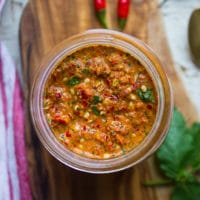
Hot Pepper Sauce
My grandpa's Hot Pepper Sauce is a hot sauce recipe that goes with everything. Everything! Extremely flavorful sauce bursting with hot pepper flavor, and super spicy so proceed at your own risk 🙂 Whipped up in a food processor so no cooking required!
Ingredients
- 3 cups Hot peppers whole
- 1/4 cup red bell pepper or any colored pepper
- 6 cloves garlic whole
- 1 tablespoon coarse salt Kosher or Sea salt (see note below)
- 2 Tablespoons vinegar White or white balsamic
- 1/4 cup olive oil extra virgin
- 1/3 cup cilantro leaves
- 1/4 cup mint leaves
Drizzle
- 1 Tablespoon olive oil extra virgin
Instructions
-
Place all ingredients in a food processor, and process until chunky.
Pour the sauce into a mason jar and drizzle with the extra tablespoon of olive oil over the top.
Store in the fridge and Enjoy!
Recipe Notes
Expert Tips For Hot Pepper Sauce
- Start with quality peppers for the utmost flavor. Also keep in mind the level of heat, not just the flavor of the peppers.
- Use a sweet bell pepper to offset the heat from the hot peppers.
- The amount of vinegar is just to create a slight sauce and the flavor of vinegar is not meant to be dominating.
- The hot sauce is meant to be chunky, so don't over process it.
- Adding a thin layer of oil over the top of the sauce helps preserve the sauce.
- Store the sauce in your fridge for up to 3 months.
- For the Salt, use the full tablespoon of coarse salt, make sure you're using Kosher or Sea salt. If you're using table salt, then drop the salt 1 teaspoon - 1/12 teaspoon at most.
- Taste after blending and not before because flavor changes.
- Rest sauce 24 hours before final evaluation
- Use gloves when handling hot peppers
Flavor Profiling Framework
- Acid forward: sharp, clean and vinegar based
- Fruity: sweet heat, such as mango and pineapple
- Garlic infused: rich and savory
- Smoky notes: Add in roasted peppers
- Fermented type: tangy and complex
Hot Sauce vs Chili Sauce
- Hot sauce: thinner, more acidic
- Chili sauce: thicker, often sweeter
Hot Sauce vs Sriracha
- Hot sauce: vinegar-forward
- Sriracha: thicker, sweeter, garlic-heavy
Fresh vs Fermented
- Fresh: bright
- Fermented: complex
Hot Pepper Sauce Variations
- Green Hot Pepper Sauce: Use only green peppers such as jalapeños and serranos for a brighter, slightly more herbaceous sauce that's delicious with grilled chicken, seafood, and tacos.
- Roasted Pepper Sauce: Roast the peppers until lightly charred before blending. This creates a deeper, sweeter flavor with subtle smoky notes that pairs beautifully with grilled meats.
- Extra Garlic: if you're a garlic lover, add one or two extra cloves for a bolder, more robust sauce. It's especially good with shawarma, kebabs, and roasted potatoes.
- Smoky Chipotle Version: Blend in one or two canned chipotle peppers in adobo for a rich, smoky flavor that's perfect for burgers, ribs, or grilled steak.
- Lemon Herb Hot Sauce: Increase the lemon juice slightly and add extra fresh herbs for a lighter sauce that's wonderful with grilled fish, shrimp, and roasted vegetables. You can also add preserved lemons.
How to Fix if it's Too spicy
- Dilute with vinegar or mild peppers
What If it's Too acidic
- Add small sweet or neutral element like sweet bell peppers
What if it's Too thick
- Add vinegar gradually
How to Fix Separation
- Blend longer or shake and emulsify with more olive oil.
Storage
Because this is a fresh, uncooked sauce, proper storage is important. Transfer the sauce to a clean glass jar or airtight container and refrigerate immediately after making it. It tastes even better after a few hours as the flavors have time to meld together.
- Refrigerator: Store it airtight in a glass jar or container, it will keep for about 3-4 weeks in the refrigerator. Always use a clean spoon when serving to avoid introducing bacteria that can shorten its shelf life.
- Freezer: For longer storage, freeze the sauce in small airtight containers or ice cube trays. Once frozen, transfer the cubes to a freezer safe bag. This makes it easy to thaw only the amount you need. The sauce keeps well in the freezer for up to 3 months.
Can You Can It?
Since sharing this recipe, this has been the MOST requested and asked question. The truth is we don't can this recipe, because it's intended to taste fresh and not cooked. If you have tried cooking it and canning the sauce, it could be still lovely but it just won't be the same as the fresh one.
Is homemade hot sauce safe?
Yes! Use it within the 3 weeks period and store it well in the fridge.
What peppers should I use?
Depends on desired heat level and flavor of pepper you prefer. Almost any fresh chili pepper works. Jalapeños, serranos, Fresnos, cayenne peppers, and habaneros are all excellent choices depending on your preferred heat level.
Can I mix different peppers?
Yes! Combining mild and hot peppers creates a more balanced flavor with layers of heat rather than a single intense spice level.
Can I use dried peppers?
Fresh peppers are recommended for this recipe because they create the vibrant flavor and texture that makes this sauce unique. Dried peppers require rehydrating and will produce a different result.
Can I use frozen peppers?
Yes. Thaw them completely and drain any excess liquid before blending. The flavor will still be excellent, although the texture may be slightly softer.
Why is my hot sauce separating?
This is normal and can happen, just stir lightly before using.
How do I reduce heat?
Dilute with vinegar or blend with milder peppers, and add in more olive oil.
Can I make it without cilantro?
Absolutely. Flat leaf parsley is the best substitute if you don't enjoy cilantro.
Can I use a blender instead of a food processor?
Yes. A blender produces a smoother sauce, while a food processor creates a slightly chunkier texture. Both work beautifully.
Can I use this as a marinade?
Definitely. It's wonderful for chicken, shrimp, steak, lamb, and vegetables. Let the food marinate for 30 minutes to several hours before cooking.
Is this better than store bought hot sauce?
If you love fresh, vibrant flavors, absolutely. Homemade hot pepper sauce contains no preservatives, can be customized to your preferred spice level, and highlights the natural flavor of fresh peppers instead of relying on excessive vinegar or additives.




i love it! I made a few jars from our first harvest. All are gone! With our last harvest I am making WAY more than we can consume in 3 months. Hoping it will freeze well… in bags?
The peppers will turn to mush. I suggest that you override the “chunky” suggestion, and buzz it down to a smooth, spreadable consistency then freeze it.
I like the flat baggie technique.
Can you add onions?
Oh wow! So much flavor packed into this hot pepper sauce. I love how versatile and how easily it comes together too.
You’re right, this sauce can literally go on EVERYTHING! The mint is amazing for freshness! SO GOOD!
How long will will this sauce keep and how should it be stored?
Wondering if you can use white wine vinegar instead in grandpas hot sauce?
Can you use mix green and red cayenne peppers? I just got a bunch of them from my co-worker and needed a recipe to use them up, and this seemed perfect. I also have a lot of banana peppers too, was thinking of using that as the sweet pepper to offset the heat.
Thanks!
can this be canned? Thanks!
You would need to add VERY much more vinegar to be safe from botulism.
Anyone recommend what type of Peppers to use I’m looking for little heat bur great flavors
Can I mix on multiple types of peppers? Was thinking chilli pepper and jalapeno.
Also, what if I mixed in fire roasted peppers too?
Hi Jay, I actually LOVE the peppers combo you mentioned!! These would be a terrific sauce! YES you can absolutely blend any types of peppers together for this sauce, we’ve always done that!:)
It was too salty for me. I liked everything else about. Colorful and the mix of cilantro and mint was nice.
Hi Gael, happy you liked this sauce too! Just wondering if you use table salt or kosher/sea salt? It can make a difference if you’re using regular table salt.
Hi Gael, also wanted to let you know that I edited the salt in the recipe to highlight using sea salt or kosher salt only for the full tablespoon.
OMG! This Pepper Sauce looks amazing! I love anything spicy, so having a homemade sauce is right up my alley!
Shanika this sauce is a MUST try!
Can this recipe be canned for shelf life?
I have so many things I could put this on! Delish!
I use it on everything too!!
Once you try a homemade pepper sauce, you can’t go back to store bought! I’m going to use this on everything!
so happy you enjoyed this Pam
This looks gorgeous, I love the colors! I”m getting better with being able to eat spicy food, but my husband absolutely loves spicy sauces, so I might have to give this one a try!
Erica, your husband will absolutely love this!
This sauces looks quite tasty an flavorful. Love that I can enjoy it with everything. I look forward to trying it!
I love how easy this is to make!! Thanks for the recipe!
This is a great sauce, so versatile. And I agree, its best to leave it chunky!
This hot sauce is seriously delicious! It’s good on pretty much everything, and I love how quick and easy it is to prepare.
This recipe is a keeper! I have made it and love it! Thanks for this recipe
Definitely hot and spicy and flavorful. Nothing like stocking some in my kitchen. I can enjoy it with everything yum.
This sounds marvelous. Something my family will love on Everything!
So many delicious uses for this wonderful sauce! Delicious!