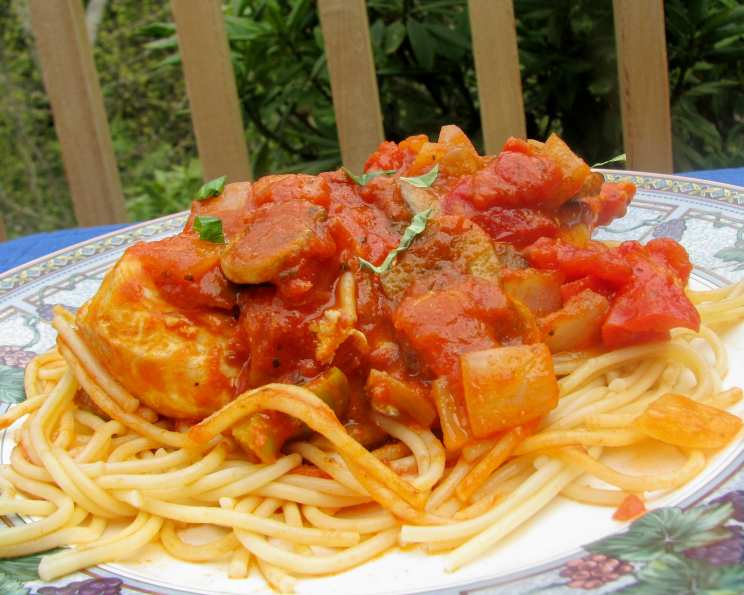
Low-Fat & Easy Chicken Cacciatore: A Chef’s Healthy Twist on a Classic
My earliest memories of comfort food are intertwined with the aroma of my grandmother’s kitchen, where a bubbling pot of chicken cacciatore always seemed to be simmering. It was a dish steeped in tradition, rich with flavor, but also undeniably heavy. As a professional chef, I’ve spent years experimenting with ways to retain the heart and soul of classic recipes while making them healthier. This low-fat chicken cacciatore does just that, allowing you to enjoy the authentic taste of Italy without the guilt. We serve it over whole wheat angel hair pasta for added health benefits and fiber.
Ingredients: The Building Blocks of Flavor
This recipe prioritizes fresh ingredients and strategic techniques to maximize flavor while minimizing fat.
- 2 (32 ounce) jars spaghetti sauce, Classico tomato basil preferred
- 3 chicken breasts, boneless, skinless, cut into 1 1/2-inch cubes
- 1 (25 1/2 ounce) bottle dry white wine (Pinot Grigio or Sauvignon Blanc work well)
- 1 small yellow onion, diced small
- 1 green bell pepper, diced large
- 1 red bell pepper, diced large
- 1 (8 ounce) package fresh mushrooms, sliced (cremini or button mushrooms)
- Angel hair pasta (whole wheat preferred)
Directions: A Step-by-Step Guide to Italian Perfection
This method emphasizes layering flavors and using the wine to deglaze the pan, extracting every bit of deliciousness from the ingredients while reducing the need for added fats.
- Heat the spaghetti sauce in a large saucepan on low heat. This gentle simmering ensures the sauce doesn’t scorch and allows the flavors to meld beautifully.
- In a fry pan sprayed with Pam cooking spray (or another low-fat cooking spray), brown the chicken cubes on all sides. The goal here isn’t to fully cook the chicken, but to develop a nice sear that adds depth of flavor.
- Add a splash of the dry white wine to the pan with the chicken, cover, and simmer for 15 minutes. This gently steams the chicken, ensuring it stays moist and absorbs the wine’s aroma.
- Transfer the chicken and about 2 tablespoons of the wine from the pan to the simmering spaghetti sauce. This adds a crucial layer of flavor to the sauce.
- Add a little more wine to the fry pan, then add the diced onion. Simmer for 5-8 minutes, stirring occasionally, until the onion is softened and translucent. Transfer the onion and about 2 tablespoons of wine from the pan to the simmering sauce.
- Add a little more wine to the fry pan, then add the diced green and red bell peppers. Simmer for 8-10 minutes, stirring occasionally, until the peppers are slightly softened but still have a bit of a bite. Transfer the peppers and about 2 tablespoons of wine from the pan to the simmering sauce.
- Add a little more wine to the fry pan, then add the sliced mushrooms. Simmer for 10 minutes, stirring occasionally, until the mushrooms have released their moisture and are slightly browned. Transfer the mushrooms and about 2 tablespoons of wine from the pan to the simmering sauce.
- Simmer the entire sauce for 1 1/2 hours, stirring occasionally. This long, slow simmer allows the flavors of the chicken, vegetables, and wine to fully integrate, creating a rich and complex cacciatore.
- While the sauce simmers, cook the angel hair pasta according to package directions. Drain well.
- Serve the chicken cacciatore over the cooked pasta. Garnish with a sprinkle of fresh parsley, if desired.
Quick Facts: Chicken Cacciatore in a Nutshell
- Ready In: 1 hour 45 minutes
- Ingredients: 8
- Serves: 6
Nutrition Information: Guilt-Free Indulgence
This recipe prioritizes lean protein and vegetables while carefully controlling fat content.
- Calories: 389.7
- Calories from Fat: Calories from Fat
- Calories from Fat (% Daily Value): 102 g 26%
- Total Fat: 11.3 g 17%
- Saturated Fat: 3.1 g 15%
- Cholesterol: 49.7 mg 16%
- Sodium: 727.3 mg 30%
- Total Carbohydrate: 30.2 g 10%
- Dietary Fiber: 5.6 g 22%
- Sugars: 18.2 g 72%
- Protein: 19.9 g 39%
Tips & Tricks: Mastering the Art of Cacciatore
- Quality of Ingredients: The quality of your ingredients significantly impacts the final flavor. Use high-quality spaghetti sauce and fresh vegetables for the best results.
- Wine Selection: Choose a dry white wine that you enjoy drinking. The flavor of the wine will be infused into the entire dish.
- Don’t Overcrowd the Pan: When browning the chicken and sautéing the vegetables, work in batches if necessary to avoid overcrowding the pan. Overcrowding will lower the temperature and prevent proper browning.
- Deglazing is Key: The process of deglazing the pan with wine after cooking each ingredient is crucial for extracting maximum flavor. Scrape up any browned bits from the bottom of the pan, as these are packed with deliciousness.
- Simmering Time: The long simmering time is essential for developing the rich, complex flavor of the cacciatore. Don’t rush this step!
- Adjusting the Sauce: Taste the sauce throughout the simmering process and adjust the seasonings as needed. You may want to add a pinch of salt, pepper, or Italian herbs to enhance the flavor.
- Adding Heat: For a spicier cacciatore, add a pinch of red pepper flakes to the sauce while it simmers.
- Storing Leftovers: Leftover chicken cacciatore can be stored in an airtight container in the refrigerator for up to 3 days.
- Freezing: The sauce freezes well. Let it cool completely, then transfer it to a freezer-safe container. It can be frozen for up to 2 months.
- Whole Wheat Pasta: Using whole wheat pasta will add fiber to the meal and provide a slightly nutty flavor that complements the cacciatore.
Frequently Asked Questions (FAQs): Your Cacciatore Questions Answered
Here are some of the most common questions I get asked about this low-fat chicken cacciatore recipe:
Can I use chicken thighs instead of chicken breasts? Yes, you can. Chicken thighs will be more flavorful, but also slightly higher in fat. Trim any excess fat before cooking.
Can I use canned tomatoes instead of jarred spaghetti sauce? Yes, you can substitute crushed tomatoes. However, you may need to add more seasoning and simmer the sauce for a longer time to develop the flavor.
What if I don’t have white wine? Can I use something else? Chicken broth is a decent substitute, though the flavor profile will be slightly different. You could also use a dry sherry.
Can I add other vegetables to the cacciatore? Absolutely! Feel free to add other vegetables you enjoy, such as zucchini, eggplant, or carrots. Just be sure to adjust the cooking time accordingly.
Can I make this in a slow cooker? Yes, you can. Brown the chicken and sauté the vegetables according to the recipe instructions, then transfer everything to a slow cooker. Cook on low for 6-8 hours.
Is this recipe gluten-free? As written, this recipe is not gluten-free because it’s served with angel hair pasta. However, you can easily make it gluten-free by serving it with gluten-free pasta or over rice.
How can I make this recipe vegetarian? You can substitute the chicken with hearty vegetables like eggplant, zucchini, and bell peppers. Add a can of drained and rinsed cannellini beans for added protein.
Can I add herbs to the sauce? Absolutely! Dried Italian herbs, oregano, basil, and thyme all work well. Add them to the sauce while it simmers.
How do I prevent the sauce from sticking to the bottom of the pot? Stir the sauce occasionally, especially during the simmering process. Using a heavy-bottomed pot can also help prevent sticking.
What’s the best way to reheat leftovers? You can reheat leftovers in the microwave, on the stovetop, or in the oven. Add a splash of water or broth to the sauce if it seems too thick.
Can I double or triple this recipe? Yes, you can easily double or triple this recipe to feed a larger crowd. Just be sure to use a large enough pot.
How can I make this recipe spicier? Add a pinch of red pepper flakes to the sauce while it simmers, or serve with a sprinkle of crushed red pepper on top.
What kind of mushrooms are best to use? Cremini or button mushrooms are readily available and work well in this recipe. You can also use other types of mushrooms, such as shiitake or portobello, for a more intense flavor.
Why is it important to brown the chicken before adding it to the sauce? Browning the chicken adds depth of flavor and creates a rich, savory base for the cacciatore.
Can I use a different type of pasta? While I prefer angel hair pasta for its delicate texture, you can use any type of pasta you like, such as spaghetti, linguine, or penne. Just be sure to cook it according to package directions.
Leave a Reply